Color and Light: Luminis Media real estate photos in Houston’s Market
Houston is a study in contrasts. Glassy high-rises glare under humid skies while shaded bungalows breathe beneath live oaks. New builds line master-planned communities, yet prewar brick still anchors long-settled streets. In this variety, two elements are constant: color and light. Mastering both is the quiet engine behind work that moves listings, and it is where Luminis Media places its attention on every assignment.
Our team’s decisions begin with the weather at dawn and end with a calibrated export at night. That span is where the story of a property is made. We call it a story because the most effective listing photography, and the most persuasive real estate videography, do more than document rooms. They show how light lives in a space and how color carries feeling. In Houston’s market, that difference is tangible.
Understanding Houston light
The city’s latitude gives a strong sun angle most of the year. By late morning, even a thin cloud deck can act like a giant softbox, but without care it still pushes harsh reflections into tile and countertops. Humidity lifts haze into the midtones, softening distant trees and muting blues. The Gulf can shuffle weather in a moment. All of that sets the stage for how we approach Luminis Media real estate photography from the first phone call.
We pay attention to orientation. An east-facing façade carries crisp lines and truer whites from sunrise through late morning before the warmth thickens. West-facing fronts are better handled earlier, or later at twilight, when glow replaces glare. For shaded lots in neighborhoods like the Heights, midday can be surprisingly gentle. For open-lot communities west of the Grand Parkway, we tend to avoid the center of the day, when every surface throws back a hard specular highlight.
Interior light in Houston often means mixed sources. Builder-grade LEDs at 3000 K mingle real estate photo gallery luminis.media with daylight near 5500 K coming through low-E windows with greenish tints. Warm Edison pendants over islands, cool under-cabinet strip lighting, and a wall of north-facing glass can all be on in the same view. If you ignore that, white cabinets go peach, the pool outside turns teal, and skin tones on lifestyle frames look off. Getting Luminis Media real estate photos right here is not a trick. It is a method.
Lighting strategies that respect space
We prefer to work from the natural character of a house and only add light to refine. The best real estate photographer is not the one with the most gear on the floor, but the one who knows when a room already looks the way a buyer will remember it. That philosophy keeps photos believable and makes editing efficient.
Here is how we think about lighting approaches, in practice:
- Ambient-only for mood when color balance is consistent and strategic bracketing preserves window detail without noise penalties. Ideal for dens, primary bedrooms with light drapery, and shaded exteriors where sky detail holds.
- Flash-ambient blend to neutralize color cast, open shadows, and keep texture honest. We feather bounced flash to avoid hotspots on glossy tile or stone. This is our default for kitchens, bathrooms, and any space with reflective surfaces.
- Targeted window pull for high-contrast rooms, using a controlled flash hit at the frame and masking in post. It keeps the view crisp without flattening the interior.
- Exterior fill for front elevations when the façade sits in its own shade while the sky is bright. A modest pop, never a giveaway, and only when it avoids a muddy midtone slab.
- Twilight balance when reflective pools or landscape lighting earn it. The house lights glow, the sky settles into deep blue, and color temperatures meet in the middle.
These choices are not boxes we check. They are tools we reach for based on paint sheen, floor reflectivity, and orientation. An open-plan great room with polished concrete needs feathered bounce to dodge ceiling hotspots. A tall foyer with glossy balusters prefers a narrower modifier and a higher placement to avoid a line of specular hits down the rail. A room full of mirrors demands off-axis flash placement and careful cropping to keep us out of the shot.
Color management without heavy-handed edits
Real estate photography luminis.media keeps color faithful. That starts at capture and ends at export. We work from a custom camera profile that we established using a color target, then verify during seasonal shifts. We set a baseline white balance based on the room’s dominant source, often neutral daylight. From there we correct mixed lighting in layers rather than washing the whole frame with a single global change.
Greens through low-E glass tend to skew toward cyan. If you correct that aggressively, you invite magenta into neutrals. We isolate exterior views for alignment, then bring the interior to a neutral that respects the designer’s palette. Warmth belongs in wood, not in caulk lines. We let gold pendants stay warm, and we tame the blue cast under a cloudy sky just enough to keep stucco honest.
Paint finishes matter. Eggshell walls kick blue in daylight, satin trim holds brightness differently, and semi-gloss cabinets throw back hard reflections. We dial local contrast and clarity to keep edges crisp without making orange peel look like a texture feature. Stone needs restraint. For quartz and marble, a light touch prevents it from looking plastic. For honed surfaces, we avoid curve lifts that would erase the material’s depth.
Pools are their own subject. Plaster color, water depth, and sky reflection collide. We cycle a circular polarizer for surface glare control on exteriors, then keep saturation in check so the water reads like an invitation rather than a cartoon. This matters more in Houston, where backyard pools are routine and buyers often use that single image to filter their interest.
Weather, scheduling, and the rhythm of a shoot
Houston weather rarely aligns with a rigid calendar. Summer mornings can be bright and soft, but heat haze after noon lifts into the frame, and by late afternoon, clouds can form without warning. In the wetter part of the year, overcast days produce beautiful wrap but trade off for darker interiors. We schedule with margins and communicate those choices to clients so expectations stay clear.
Twilight shoots are not a default package item. We earn them with good reasons. A home with architectural lighting, a pool that reflects, or a skyline view from a mid-rise balcony, those warrant a dedicated twilight session. The rest perform better in honest daylight, especially if neighboring homes sit tight on either side and porch lights would contaminate exteriors with sodium-like warmth. We are cautious about flipping every light switch. Mixed lamp types can create a carnival of temperatures. When needed, we ask agents to stick with ceiling cans and kill mismatched lamps so color stays disciplined.
Turnaround is a business promise, and it meets a practical limit. High humidity and interior mirrors make cloning and cleanup slower. A new-build with bare landscaping edits faster than a staged Montrose bungalow with glass on all sides. Most of the time, Luminis Media listing photography is delivered next day. If edits need deeper work, we let the client know before we leave the site. The trust is worth more than an over-optimistic timeline.
Inside challenges that separate amateur from pro
Houston’s homes often favor open plans. It sounds like a gift to the camera, but it is where perspective control breaks new photographers. A 16 to 20 mm equivalent makes a room feel generous, but it also stretches cabinet faces and pulls barstools thin. We anchor using verticals, then frame to suggest movement rather than capturing every square inch. Door frames should sit vertical, not leaning. When furniture floats, we protect negative space to convey flow.
Glass stair rails, floor-to-ceiling sliders, and shower enclosures demand attention. We place lighting so reflections land in dead zones, or we shoot multiple plates and composite. In bathrooms, a small move makes or breaks a shot. Shift six inches to avoid the lens showing in a tap reflection. Angle the camera slightly off axis to keep the photographer out of the glass, then correct the geometry in post.
Color on interiors tells its own story. Moody studies are trending in darker paint. Expose to keep black saturation intact and recover highlights on brass hardware without halos. Primary bedrooms in warm neutrals can go bland without directional contrast. A single bounce edge can be enough to put dimension back into the duvet and headboard. We keep skin-friendly color in mind for lifestyle inclusions, like a hand on a doorknob or someone setting a coffee mug near a window seat. Even when people are not visible, traces of life feel natural in Luminis Media real estate photos when they are subtle and purposeful.
Exteriors and the poetry of curb appeal
Front exteriors sell a mood. Wetting a driveway before a shot can darken concrete and give a clean look, but with porous aggregate, it can also create patchy stains. We choose selectively and default to clean and dry. Flags, trash bins, lawn crew signs, and vehicles are moved, not cloned out later when they cast shadows that look wrong once removed.
Sky replacement is common in the industry. We avoid it unless weather betrayed a shoot we could not move, and only then we match directionality and luminance so it does not ring false. Houston skies are generous, often full of subtle gradient. Overexuberant edits flatten that nuance and telegraph that something is off. A property with strong landscaping benefits from a slightly higher camera angle to shape the front walk. For narrow lots, stepping back and compressing with a slightly longer focal length protects proportions and avoids bowing driveways.
Backyards carry their own priorities. In areas where fences crowd, keep verticals steady so the yard looks inviting. For covered patios with wood ceilings, watch color balance; cedar warms everything under it. We sometimes flag off ambient spill and push a gentle fill from the house side to bring color back to neutral, otherwise stucco reads drab and food photography under that pergola vibe goes muddy.
Videography to complete the impression
Real estate videography luminis.media grows from the stills rather than competing with them. We map a narrative path that a buyer might take in a showing. Opening on context is often wise. A brief drone rise that reveals a pocket park, a pass along the sidewalk that suggests scale, then through the front door and into a simple progression that respects how a person actually moves.
We keep movement disciplined. Gimbal walk-throughs set at a human pace, no dizzying spins. We let lines breathe, letting doors close softly, letting sheer drapery catch a breeze, and using natural audio where it serves. For luxury listings, light piano underlays work. For family-friendly homes, ambient neighborhood sound hints at place. We do not shoehorn long monologues unless the agent is compelling and well-prepared. More often, concise captions and tasteful lower thirds carry the information cleanly.
Deliverables adapt to platform. A 60 to 90 second horizontal cut for MLS and YouTube, and short vertical excerpts for Reels and Stories. We keep color grading consistent with stills, and we avoid the teal-orange trap that flatters skin but murders tile and paint accuracy. Luminis Media real estate videography puts accuracy first and style second because buyers notice when the wall color in a video disagrees with photos.
Drone work, rules, and respect for neighbors
Drone footage is routine now, but it is not casual. Commercial operators in the United States must hold an FAA Part 107 certificate and comply with airspace restrictions. Houston’s two major airports, and a scatter of heliports and smaller airfields, create overlapping controlled airspace. We file authorizations where required through the appropriate channels, and we do not lift unless we have a clear plan for altitudes and flight paths that keep people and property respected.
In dense neighborhoods, we keep flights concise and low. Privacy is not a line to push. Roof inspections for sellers are one thing; lingering over backyards is another. In master-planned communities, we put the amenities in context without lingering on private spaces. Whether the drone shot is a quick neighborhood reveal or a slow pan over water features at sunrise, our intent is always to support the listing, not to show off piloting skills.
Working with MLS norms and brand rules
MLS guidelines vary, but a few principles are steady. Photos should not mislead. Rooms should appear as they are. Branding inside the photos is usually restricted, so agent logos and phone numbers Luminis Media real estate photography belong in captions, remarks, or separate marketing pieces, not embedded in image corners. The Houston Association of Realtors maintains its own standards that evolve, and we follow them. When in doubt, we err on the side of neutral representation.
Image count depends on MLS limits and what the property warrants. A studio condo does not need 50 frames. A 6,000 square foot custom home might need detail passes. We deliver a balanced set that walks a viewer through the property, starting with an anchor exterior, then core living spaces, then private rooms, and finally supporting areas. We include orientation shots where helpful, like a primary bedroom that opens to a balcony with a skyline view.
We export in sRGB, sized for web performance and MLS rules, and provide high-resolution versions for print collateral. Our gallery links make sharing easy and let agents download size-appropriate files. This is not a nice to have. Social platforms compress hard. Starting with proper color space and clean sharpening means the images hold up when reposted, and Luminis Media property photography looks the way it should across screens.
A few Houston case snapshots
A Meyerland mid-century presented a familiar challenge. Rich walnut built-ins, warm recessed lighting, and overcast daylight through large sliders. We killed a few mismatched lamps, set a baseline white balance toward neutral daylight, and feathered bounce flash to open shadows without killing the room’s character. Outside, the overcast sky gave us lovely separation on the brick. A targeted window pull held the pool’s pale blue without making it the star.
A sleek townhome in Montrose needed restraint. White walls, white cabinets, and glossy floors risked turning clinical. We let a touch of warmth live in the pendants over the island, added a gentle fill to give dimension on the sofa, and protected shadows under floating stairs so the space did not float into nothingness. The video cut opened with a brief street scene that hinted at the walkable block without tipping into neighborhood promo.
A new build in Katy was all about volume. The two-story great room read cold at first pass. Polished tile reflected everything. We raised a single soft source high to mimic a skylight and took care to aim it away from the tile’s reflection path. Editing left stone texture intact and kept exterior greens believable through energy-efficient glass. The agent reported strong online engagement, especially on the short vertical clips cut from the master video. That kind of response is not a surprise when the pieces are working together.
A high-rise in Uptown called for timing. Late afternoon sun bounced off neighboring towers and into the living space. Instead of fighting it, we scheduled for that window and used it. The result turned chrome and glass into assets. The drone portion was short and conservative, limited to a contextual reveal that showed how the unit sat relative to shopping and green space.
Collaboration with agents and sellers
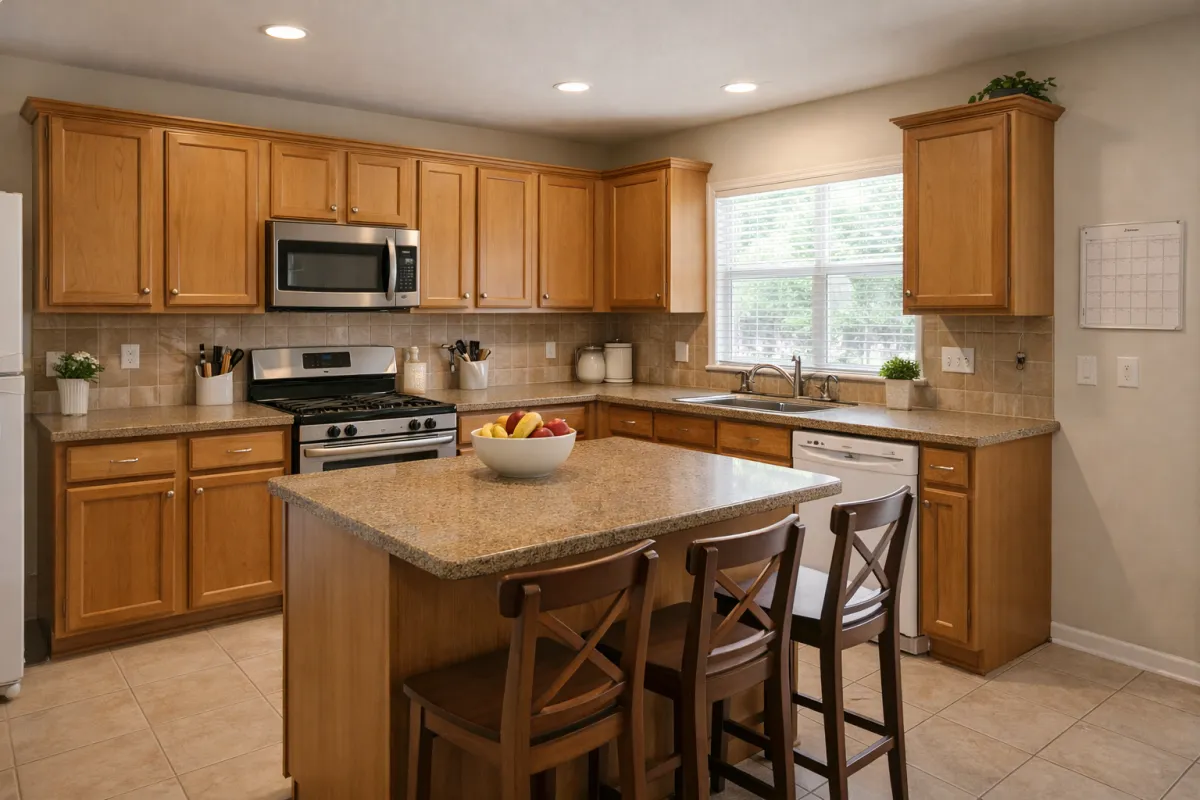
Preparation is not busywork. It is leverage. Agents who guide sellers through simple steps make every frame more efficient. This is the short version of what we share before we arrive:
- Clear counters, bath ledges, and bedside tables so surfaces read as features, not storage.
- Replace burnt bulbs and match color temperatures in primary fixtures where possible.
- Hide pet items, personal photos, and overly specific decor that dates the space.
- Secure access to amenities and gates, and share any community photography restrictions.
- Plan to leave for the duration if pets are anxious or rooms are tight.
During the shoot, we walk with the agent through any quirks. Some address lights cannot be turned off without killing the garage. Some fireplaces fake an orange cast that leaks into the room. We decide on-site whether to lean into those details or neutralize them. The more transparent the conversation, the better the work. Luminis Media listing photography thrives on that cooperation.
The role of virtual staging and disclosure
Virtual staging can be a powerful tool for vacant listings. It helps buyers read scale and flow. Still, ethics matter. We keep edits realistic and label them clearly. Rugs do not float. Chairs do not cast impossible shadows. If we remove a scuff from a wall, that is fine. If we remove a power line from a yard image that a buyer will confront on arrival, that crosses a line. In Houston’s competitive market, credibility is currency. Agents who keep it earn referrals long past one transaction.
We sometimes combine real staging with virtual touches. If a room has a great hard finish but no soft goods, a few virtual accents can lead the eye without writing a false narrative. Where a pool has safety fencing that will remain, we will not edit it out. For new builds not yet landscaped, we are honest about it. Luminis Media real estate photography lives or dies on trust.
Floor plans, 3D, and the extra layer
Buyers depend on wayfinding as much as they do on pretty photos. Floor plans are pragmatism at its best. Simple measured drawings clarify room relationships in seconds. For larger homes, a 3D tour can prevent wasted showings by letting buyers self-qualify. Whether it is a platform like Matterport or a light-weight 360 tool, we choose according to the property and the audience. A small condo does not always benefit from a long tour. A home with an unusual layout almost always does.
We integrate these add-ons so they look and feel like a single package. The color profile matches, the branding is consistent with MLS norms, and the links are organized. The benefit is not just buyer clarity. Agents field fewer repetitive questions and spend more time on serious inquiries.
Turnaround, delivery, and reliability
Consistency beats surprise. Most projects move from shoot to delivery within 24 hours for stills and within a few days for video, depending on scope. We will tell you if weather or complex editing will push that, and we will not ship a set that needs rework just to hit a clock. Galleries arrive in a shareable link with labeled folders so agents can build their MLS set fast. We provide social-ready cuts and MLS-optimized images, as well as high-resolution files for brochures and postcards.
For teams that need ongoing content, we set rhythm. Weekly new-build rounds, monthly community amenity updates, seasonal refreshes for luxury listings that stay on the market longer. The cadence supports marketing plans and keeps the work fresh. The point is straightforward. Reliable Luminis Media real estate photographer support makes an agent’s pipeline steadier.
What distinguishes our approach
Photography is full of style swings. Oversaturated skies come and go. Ultra-wide interiors lose favor and return again. We try to live a notch to the timeless side. That means honest color, shaped light, few gimmicks, and a clear understanding that every frame should make sense to a buyer standing in that room the next day. It also means putting in the unglamorous work. Checking lamp color, moving a trash can, wiping a stainless panel, placing a chair two inches left so the composition breathes. When you do the small things right, the big impression follows.
We keep learning from the city itself. The way oak canopy light filters into Heights bungalows. The silver of a winter noon across brick in West U. The fierce clarity after a storm that makes glass towers shine. When we talk about Luminis Media property photography, or the broader suite that includes video, floor plans, and aerials, what we really mean is that we know how to listen to Houston’s light and translate it faithfully.
Agents do not hire us for tricks. They hire us because homes photographed this way get more complete online experiences, fewer surprises at showings, and better engagement across platforms. Whether you find us by searching real estate photographer luminis.media, reaching out through luminis.media real estate photography pages, or being referred by another agent, the process is the same. We show up, read the light, respect the color, and make the property look the way it should. That standard does not change with price point, neighborhood, or season. It is simply how good work is done.